Guitar Output Jack Repair Tips: Replacing Your Guitar Output Jack
When your guitar’s output jack starts acting up, it’s more than just an annoyance. It’s a threat to your tone, your performance, and your connection to the music. A loose or faulty jack can cause crackling, intermittent signal loss, or complete silence. You don’t have to settle for that. With the right approach, you can restore your guitar’s reliability and sound quality quickly and confidently.
This guide walks you through the essentials of replacing your guitar output jack. You’ll learn what the output jack is, why it matters, and how to perform a professional-level repair that keeps your instrument sounding and playing at its best.
Guitar Output Jack Repair Tips: What You Need to Know Before You Start
Before you dive into the repair, understand the role of the output jack. It’s the gateway for your guitar’s signal to reach your amp. A solid connection here means clear tone and consistent performance. A faulty jack can cause signal dropouts, noise, and frustration.
Here’s what you need to prepare:
Tools: Soldering iron, solder, wire cutters, screwdriver, and a multimeter for testing continuity.
Replacement jack: Make sure it matches your guitar’s specifications (mono or stereo, size, and mounting style).
Workspace: A clean, well-lit area with a stable surface.
Patience and precision: This is a delicate job. Rushing leads to mistakes.
Start by unplugging your guitar and removing the strings if necessary for better access. Take photos of the existing wiring before you disconnect anything. This will be your reference during reassembly.
What is the output jack on a guitar called?
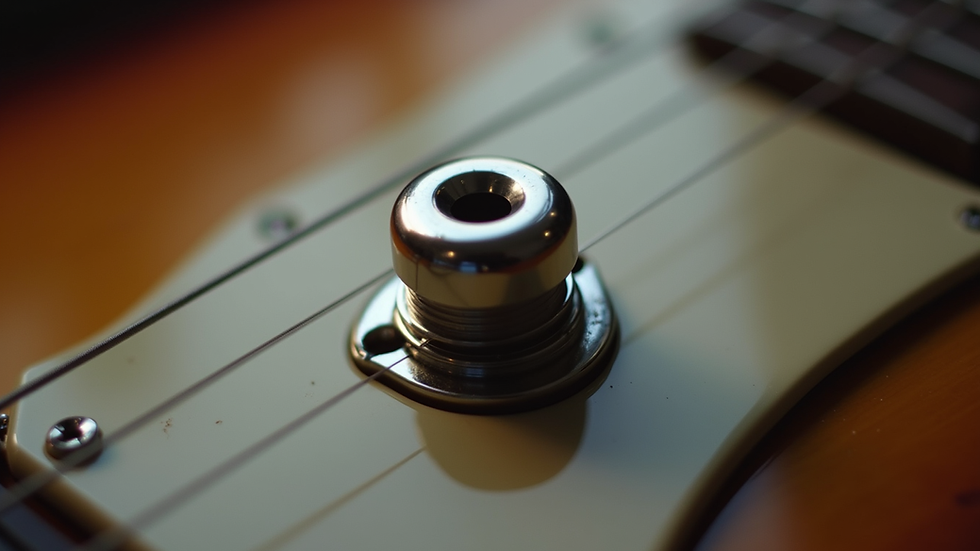
The output jack on a guitar is commonly referred to as the 1/4-inch mono jack or simply the guitar output jack. It’s the component where you plug in your instrument cable. This jack is typically a mono phone jack designed to carry the guitar’s signal from the pickups to your amplifier or effects chain.
Some guitars use a stereo jack for special functions like battery power switching in active pickups, but most standard electric guitars rely on the mono jack. The jack consists of a metal sleeve and tip contact, housed in a threaded barrel that mounts to the guitar body or pickguard.
Understanding this component’s function and design is crucial for a successful repair. It’s not just a plug point; it’s a critical link in your guitar’s signal chain.
Step-by-Step Guide to Replacing Your Guitar Output Jack
Replacing your guitar output jack is straightforward if you follow these steps carefully:
1. Remove the old jack
Unscrew the jack plate or remove the pickguard if necessary.
Carefully desolder the wires connected to the old jack. Typically, you’ll find two wires: the hot (signal) and ground.
Take note of which wire connects to the tip terminal and which to the sleeve terminal.
2. Prepare the new jack
Inspect the new jack for any manufacturing defects.
If the terminals are dirty or oxidized, clean them with fine sandpaper or contact cleaner.
Trim and strip the wire ends if needed for a clean solder joint.
3. Solder the wires to the new jack
Heat the soldering iron to the appropriate temperature (around 700°F or 370°C).
Tin the wires and terminals by applying a small amount of solder to each.
Connect the hot wire to the tip terminal and the ground wire to the sleeve terminal.
Ensure solid, shiny solder joints without excess solder blobs.
4. Test the connection
Use a multimeter to check continuity between the jack terminals and the corresponding wires.
Plug in your guitar cable and gently wiggle the jack to ensure no crackling or signal loss.
5. Reassemble the guitar
Secure the jack in place with the mounting nut.
Replace the pickguard or jack plate.
Restring your guitar if you removed the strings.

Why You Should Trust Precision in Guitar Output Jack Repair
This isn’t a job for shortcuts. A sloppy solder joint or loose mounting nut can cause intermittent problems that drive you mad on stage or in the studio. Precision in every step ensures:
Consistent signal flow: No crackles, pops, or dropouts.
Durability: The jack stays firmly in place through gigs and practice.
Optimal tone: Clean connections preserve your guitar’s natural sound.
If you’re not confident with a soldering iron, seek professional help. But if you’re ready to tackle it yourself, take your time and respect the craft. Your guitar deserves nothing less.
Enhancing Your Guitar’s Performance Beyond the Output Jack
Replacing the output jack is just one part of maintaining your guitar’s peak performance. Consider these additional steps to keep your instrument in top shape:
Regular fret polishing: Smooth frets improve playability and reduce finger noise.
Fretboard conditioning: Hydrate the wood to prevent cracking and maintain tone.
Professional setups: Adjust action, intonation, and pickup height for your playing style.
Electronics check: Inspect pots, switches, and wiring for wear or corrosion.
Each detail contributes to your guitar’s overall tone and feel. When combined with a solid output jack, you get an instrument that responds flawlessly to your touch and delivers your sound with clarity and power.
Final Thoughts on Guitar Output Jack Maintenance and Repair
Your guitar’s output jack is a small part with a big impact. Don’t let a faulty connection hold you back. Whether you’re a hobbyist or a working musician, mastering the basics of output jack repair empowers you to maintain your instrument’s integrity and sound quality.
For those who want to ensure the highest standards of craftsmanship, professional-level repair and setup services are invaluable. Precision work on your guitar’s electronics and hardware translates directly into better tone, smoother playability, and more confidence on stage.
If you’re ready to take control of your guitar’s performance, start with the output jack. And if you want expert assistance, consider trusted specialists who understand the nuances of guitar repair and setup.
For detailed guidance and professional service, explore guitar output jack replacement options that prioritize precision and tone.
Your guitar deserves the best. Treat it with the care and expertise it demands.


Comments